
Rates, capital flows, energy, and why “operational resilience” matters more during uncertainty
The current Iran-U.S. escalation is not just a headline risk; it’s an energy and shipping chokepoint risk that can ripple into inflation, rates, and investor behavior.
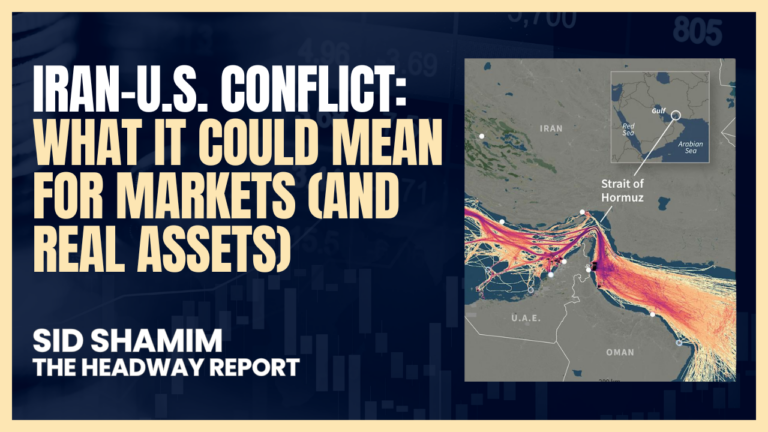
A big reason: the Strait of Hormuz. In 2024, oil flows through the Strait averaged ~20 million barrels/day, about 20% of global petroleum liquids consumption. (EIA) When that corridor is threatened or disrupted, markets immediately start repricing energy, transportation, and risk.
1) Energy shock → inflation pressure → rate uncertainty
When conflict risk rises around Hormuz, markets often react first through oil prices and shipping costs. That can show up as:
- Higher fuel costs (which hits transportation and supply chains)
- Higher “war risk” insurance and freight rates
- A renewed inflation impulse, at the same time, growth may slow
We’ve already seen reports of record-high crude tanker rates tied to heightened physical risk and war-risk insurance costs in the Hormuz region. (EIA)
This is why rate expectations can get messy: central banks can be forced to balance inflation risks vs growth risks, and markets don’t always price that smoothly.
2) Capital flows: markets usually shift toward “quality.”
When geopolitical risk jumps, investors typically become more selective. Research using the Geopolitical Risk (GPR) index (a news-based measure that spikes around wars and major crises) finds that higher geopolitical risk tends to be associated with weaker economic activity and risk repricing. (Matteo Iacoviello)
In practical terms, this often looks like:
- Tighter credit conditions for weaker borrowers
- Wider spreads
- More scrutiny on leverage, liquidity, and refinancing timelines
Translation: the market becomes less forgiving of “best-case underwriting.”
3) Real assets: often more attractive, but not “automatic wins.”
Real assets can benefit from uncertainty because they’re tangible and essential, and people still need housing. But higher energy and insurance costs can also raise operating expenses.
So the real question isn’t “will real estate do well?” It’s: which assets and which operators are built to perform when inputs change?
4) What we watch as multifamily operators
When geopolitical uncertainty rises, we don’t try to predict the news. We pressure test the plan.
Debt resilience
- fixed vs floating exposure
- maturity timeline
- sensitivity if NOI softens
Expense realism
- Insurance and utilities exposure
- Payroll and maintenance inflation
- Property tax risk
Base-case survivability
- Does the deal work without heroic rent growth?
- Do reserves and contingency plans match reality?
Bottom line
Periods like this tend to separate:
- Disciplined underwriting vs optimistic underwriting
- Strong operations vs. “spreadsheet operations.”
- Clear communication vs vague updates
And because Hormuz is such a major global oil transit chokepoint, shocks here can feed directly into inflation expectations and market volatility. (EIA)
Educational only — not investment advice.